Determining the Right Roofing Contractor: Necessary Questions to Address Before You Onboard
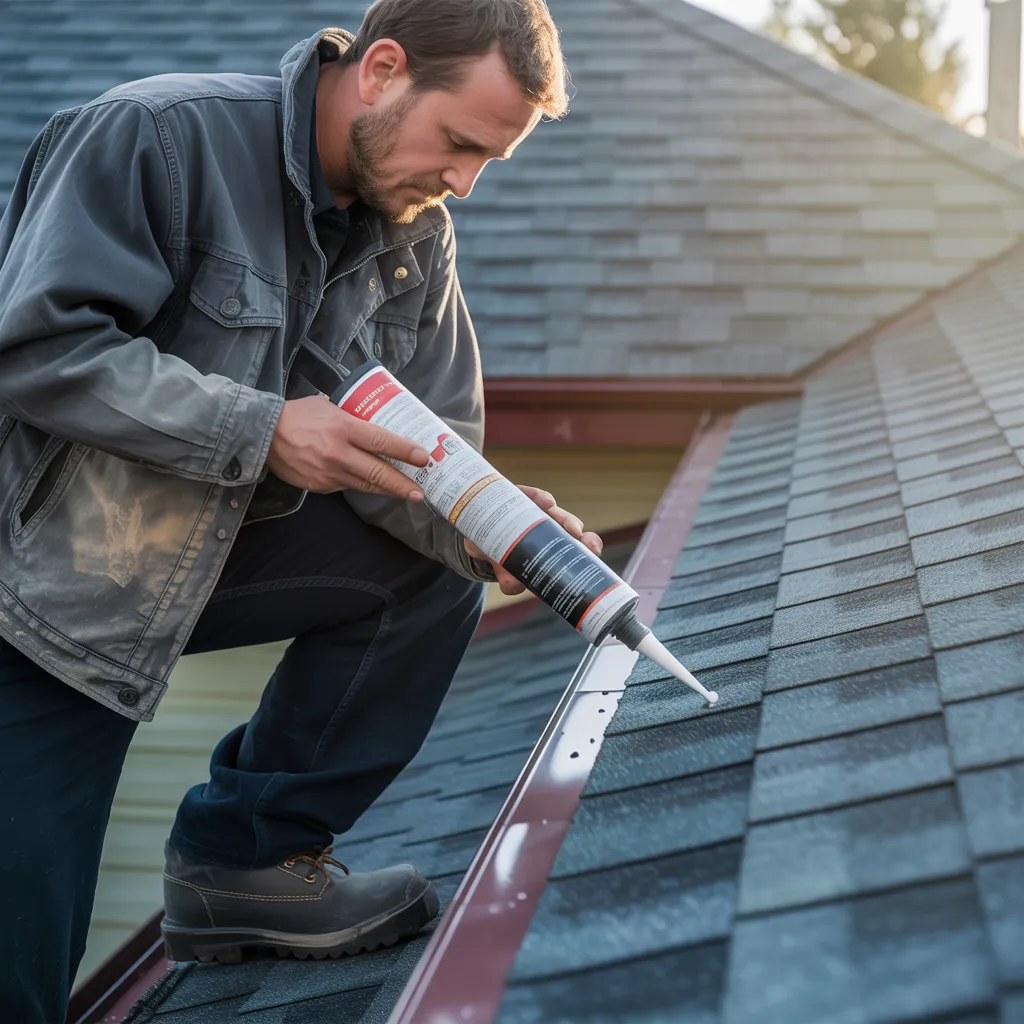
Picking the suitable roofing contractor is a crucial choice for homeowners. Many factors influence the quality of work and overall satisfaction. Licensing, expertise, and warranties are just a few of the vital aspects to consider. By asking the right questions, homeowners can establish expectations and ensure a seamless process. However, grasping these elements is only the beginning. What particular questions should be prioritized to prevent future complications?
What Qualifications Determine a Excellent Roofing Contractor?
What core standards should one weigh when selecting a roofing contractor? A established contractor should demonstrate proper licensing and coverage, substantiating accordance with local regulations and mitigation against liability. practice in the industry is fundamental; seasoned contractors are more suited to deal with unexpected challenges productively. Additionally, a substantial portfolio spotlighting previous work provides knowledge into their craftsmanship and style.
Certifications from producers can demonstrate proficiency in specific roofing systems, while membership in industry organizations often shows dedication to guidelines and continuous learning. Another important factor is references; positive testimonials from satisfied clients can offer confidence of a contractor's dependability and expertise. Finally, a transparent, detailed written quote outlining extent, materials, and schedules is essential for transparency and making educated choices. By evaluating these qualifications, homeowners can choose a roofing contractor who fulfills their needs and ensures a successful project.
How to confirm a Roofing Contractor's Standing?
Why should property owners confirm that a roof professional maintains a solid name? One effective method is to seek out digital testimonials and comments. Platforms including Google, Yelp, and Angie's List regularly provide insights into earlier customers' accounts. Homeowners ought to also examine the contractor's ratings with the Better Business Bureau (BBB) to identify any concerns or unresolved issues.
Furthermore, obtaining testimonials straight from the contractor can offer a more transparent picture of their reliability and workmanship. Talking to past customers allows homeowners to assess satisfaction levels and the contractor's attentiveness to issues.
In addition, it's advantageous to confirm any qualifications and professional certifications, as these often denote a devotion to industry best practices. Finally, liaising with local building authorities can convey specifics on the contractor's licensing and insurance status, further reinforcing their credibility in the community.
Fundamental Roofing Warranty Styles You Should Recognize
Grasping the various types of roofing warranties is important for homeowners thinking about a roof replacement or installation. Chiefly, there are two categories of warranties: manufacturer warranties and workmanship warranties. Manufacturer warranties protect against defects in materials, usually lasting between 20 to 50 years, depending on the roofing material. These warranties guarantee that if the roofing material fails prematurely, the manufacturer will substitute it.
In contrast, workmanship guarantees are supplied by the roofing contractor and safeguard the quality of installation. These warranties can vary from one to ten years. It's vital for house owners to establish the terms and conditions of both varieties, as they may contain restrictions or exceptions. Moreover, comprehending whether the guarantee is assignable can significantly alter future home values. Therefore, homeowners should carefully review and explore warranty options with their potential roof specialist to assure complete coverage.
Evaluating Roofing Contractor Cost Choices?
When appraising roofing contractor cost options, homeowners often wonder which factors influence the overall expense. Key components include the kind of roofing products selected, as premium options like slate or metal typically lead to higher costs versus asphalt shingles. Labor costs also serve a critical function; experienced contractors may charge more but offer better workmanship. Additionally, the difficulty of the roof design influences pricing; steep or multi-layered roofs require more labor and safety measures. Homeowners should also factor in regional cost disparities, as consumer demand and local regulations can impact expenses. It is advisable to secure multiple quotes to compare pricing structures and assure transparency. Finally, reviewing the contractor's reputation and past projects can offer insight into whether the pricing demonstrates quality work and materials. Understanding these factors can help homeowners make informed choices that suit their budget and roofing requirements.
Safety Guidelines Roofing Contractors Must Follow
Selecting a roofing contractor requires thorough evaluation of their commitment to safety standards. Compliance with OSHA regulations, use of personal protective equipment, and the development of safety training programs are important factors that ensure worker safety on the job site. Understanding these requirements can help homeowners make informed decisions about their roofing contractors.
OSHA Workplace Requirements
Roofing contractors must adhere to specific OSHA compliance standards to ensure safety on job sites. These rules are minimize hazards associated with roofing work, which often involves heights and heavy materials. Contractors are required to implement fall protection systems, including barriers, safety nets, or personal fall arrest systems when necessary. Additionally, they must ensure that all employees are trained in recognizing and avoiding possible safety risks. Proper scaffolding and ladder use, as well as handling materials safely, are also vital components of OSHA compliance. Regular inspections and maintenance of equipment are necessary to copyright safety standards. By following these guidelines, roofing contractors not only protect their workers but also improve overall project efficiency and integrity.
Individual Safety Equipment
Appropriate utilization of PPE is crucial for roofing contractors to ensure safety on the job site. Contractors should confirm that their teams are provided with with hard hats, safety glasses, and gloves to protect against falling debris and sharp objects. Additionally, harnesses and fall protection systems are crucial when working at heights, minimizing the risk of serious injury. Steel-toed boots provide essential foot protection, while high-visibility clothing helps boost worker visibility, especially in busy areas. It is also imperative that contractors consistently check and care for this equipment to confirm its effectiveness. By adhering to PPE standards, roofing contractors can markedly reduce workplace hazards and create a safer environment for their crew.
Workplace Safety Training Programs
Proper security training courses are vital in making sure that roofing contractors can copyright safety standards on job sites. Such training give workers vital information about threats, appropriate equipment use, and emergency responses. A detailed training regimen needs to encompass fall protection, ladder safety, and material handling, plus other areas. Consistent refresher classes are necessary as they reinforce safe habits and accommodate evolving industry benchmarks. Contractors must provide proof of their training sessions, such as certifications and continuous education efforts. Clients should inquire about the frequency and thoroughness of these training sessions, as adherence to safety protocols directly impacts the well-being of both workers and project timelines. Emphasizing safety training shows a contractor’s dedication to professionalism and quality workmanship.
Establishing Clear Correspondence With Your Roofing Contractor
Building strong communication with a roofing contractor is essential for a successful project. Clear communication is important for establishing expectations and reduces misunderstandings that could cause unwanted delays or errors. Homeowners should start by discussing time schedules, budget limits, and materials specified. The contractor must provide detailed proposals and regular updates throughout the project.
Ongoing check-ins can guarantee that the project remains Premier Roofing & Exteriors on track and that any issues are addressed right away. Homeowners should feel comfortable raising questions and pursuing clarification on technical terms or processes.
Furthermore, establishing favored communication channels—whether via phone, email, or in-person meetings—can improve teamwork. Documenting conversations and agreements in writing can also serve as a reference point. Ultimately, clear communication pathways promote a constructive professional relationship, ensuring that both parties are in agreement and satisfied with the outcome of the roofing project.
Frequently Raised Questions
What Kinds of Roof Materials Do You Advise and For What Reason?
The contractor suggested asphalt shingles for cost-effectiveness and long-lasting performance, metal for longevity and energy efficiency, and slate for aesthetic appeal and lifespan. Each material offers distinct advantages, catering to different homeowner needs and preferences.
What's Your Approach to Managing Unforeseen Complications During the Engagement?
The contractor highlighted direct communication, detailing unexpected issues candidly with clients. They outlined potential solutions and adjustments to timelines or budgets, ensuring clients felt informed and assured throughout the project's progression despite unforeseen challenges.
Can you outline a complete timeline for the Roofing Project?
A reputable contractor will supply a detailed timeline outlining each project phase, containing start and conclusion dates. This framework guarantees visibility and helps homeowners manage expectations while supporting communication throughout the roofing job.
Do You Possess Experience With My Specific Roof Type?
The contractor verified wide-ranging expertise with multiple roofing materials, including the exact material in question. Their portfolio revealed many successful projects, proving expertise and devotion to excellence, thereby creating confidence in prospective customers.
What Measures Do You Take for Cleanup Following the Project?
The contractor communicated a thorough clean-up procedure, including frequent waste removal, ultimate inspections for scattered materials, and suitable waste disposal. They underscored maintaining a clean worksite to guarantee safety and client satisfaction throughout the project.
In conclusion, we have explored the key aspects discussed throughout this analysis.
In essence, picking the right roofing contractor mandates thoughtful analysis and detailed inquiry. By assessing qualifications, confirming credibility, understanding warranty types, evaluating payment plans, observing safety standards, and facilitating clear communication, occupants can reach informed decisions. Pursuing these steps not only protects the standard of the roof installation but also promotes tranquility over the course. All things considered, a appropriately selected contractor can ensure a successful and fulfilling roofing experience.